The Landscape of Neurofeedback Methods
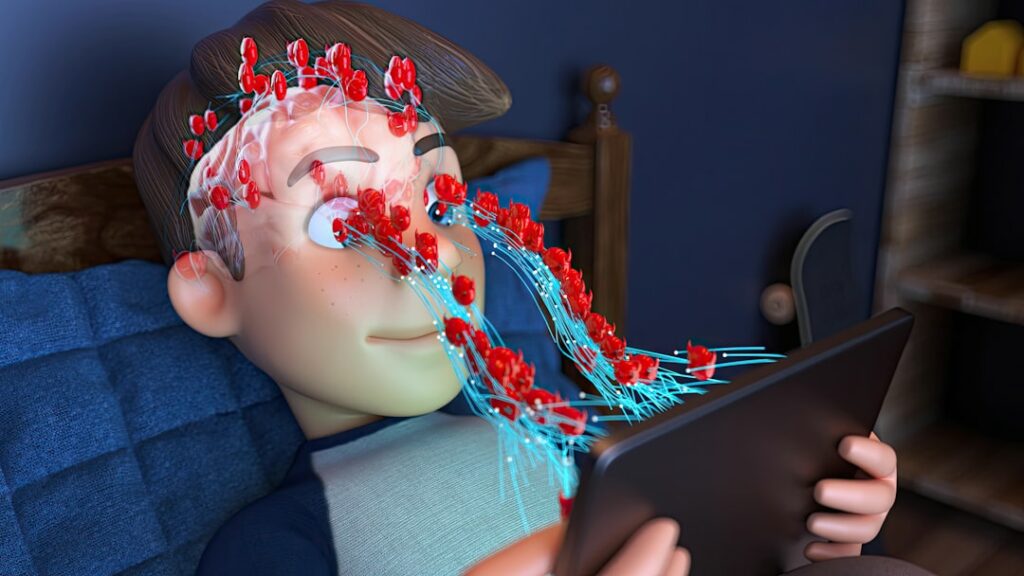
Neurofeedback is not a single method. This guide maps the main families of EEG neurofeedback — from frequency-band training to z-score and LORETA approaches — and what the evidence says about each.

Neurofeedback as Adjunctive Care in Affective Disorders
In a prospective randomised study of 100 outpatients with affective disorders, alpha/theta neurofeedback appeared to function as a useful adjunctive intervention when layered onto antidepressant treatment.

Real-Time Source Imaging with hdEEG
RT-NET combines individualised head modelling, adaptive artefact attenuation, and source localisation to estimate source-space hdEEG activity online rather than only offline.
A Brainwave Earbud? Promise, Limits, and What Comes Next
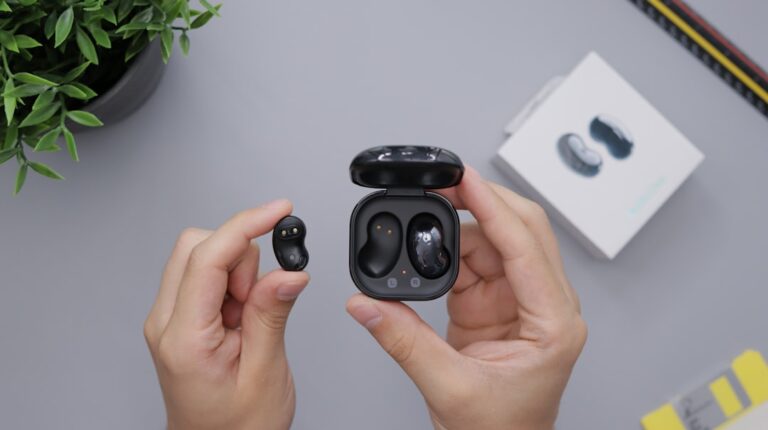
In-ear EEG is an emerging approach that makes brain monitoring far more comfortable and potentially continuous, extending measurement into everyday life.
Neurodivergence and the Reality of Individual Brains
Wanting to feel unique is not a modern flaw; it’s a deeply studied social motive. Social media just gave it a louder microphone. What does the science actually say?
When Belief Alone Triggers Brain Control Networks
Simply believing you are doing neurofeedback strongly engages a broad cognitive control network, even when the feedback is sham.

Neurofeedback: Owning the Debate, Raising the Bar
The Thibault–Lifshitz–Raz critique correctly identified methodological weaknesses in early EEG-neurofeedback research, but overextended its conclusions.
Real-Time Source Imaging with hdEEG
RT-NET combines individualised head modelling, adaptive artefact attenuation, and source localisation to estimate source-space hdEEG activity online rather than only offline.
Neurofeedback: Owning the Debate, Raising the Bar
The Thibault–Lifshitz–Raz critique correctly identified methodological weaknesses in early EEG-neurofeedback research, but overextended its conclusions.
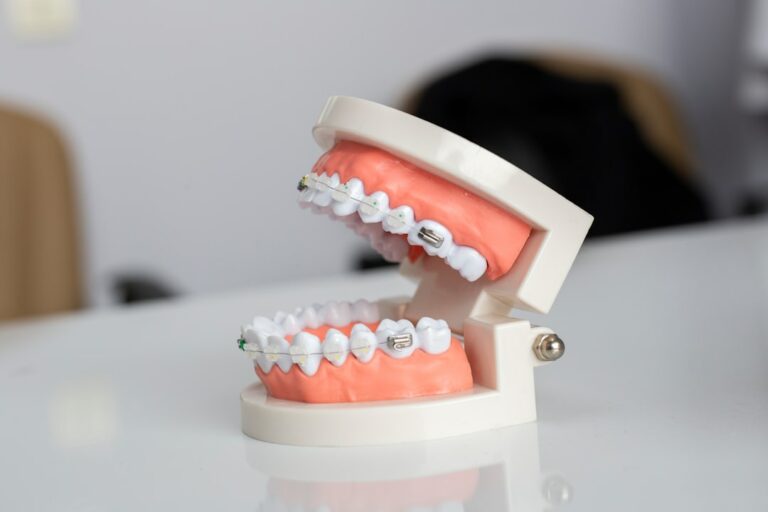
How Heart Rate Variability Biofeedback May Relieve Jaw Pain and Bruxism
Heart Rate Variability Biofeedback (HRV-B) and Resonance Frequency Breathing (RFB) helped resolve chronic temporomandibular dysfunction (TMD) and sleep bruxism in a single case study.